
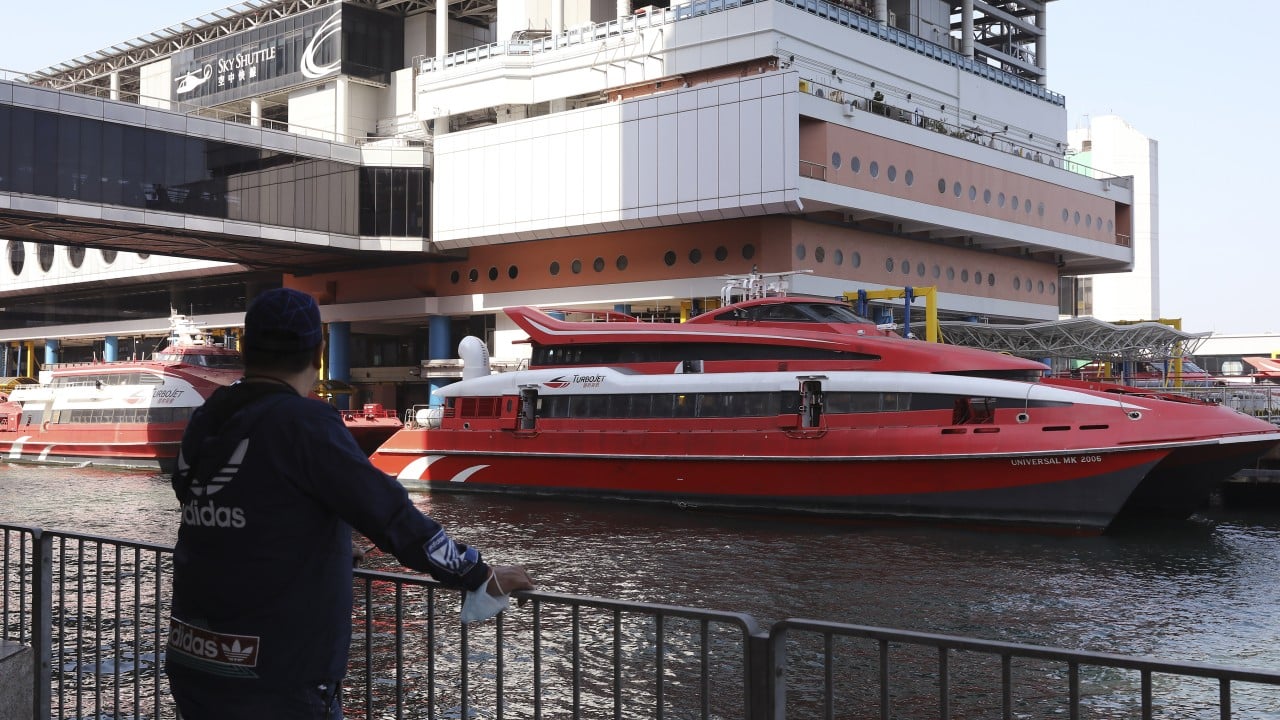
The two main ferry operators running daily services between Hong Kong and Macau will raise fares by up to 11 per cent amid surging fuel prices, while a union said bus drivers were reporting lost income as companies cut services.
Chief Executive John Lee Ka-chiu said on Tuesday that the government would continue to monitor oil prices as it pressed ahead with measures set out earlier by the interdepartmental task force on fuel supply.
A day earlier, TurboJet and Cotai Water Jet said they would raise fares from April 25, with most standard tickets increasing by about 10 per cent.
TurboJet said that, in view of the “recent sharp surge in fuel prices” and “ever-rising operating costs,” its operating company, Shun Tak-China Travel Ship Management Limited, had received approval from the Macau government to increase prices.
“The fare adjustment, averaging about 10 per cent, aims to slightly alleviate pressure from rising costs,” it said.
From Saturday, a TurboJet weekday economy-class ticket between Hong Kong and Macau will rise from HK$175 to HK$194 (US$22 to US$25), an increase of about 10.9 per cent.
Weekend and public holiday economy fares will increase by 11.5 per cent, from HK$190 to HK$212.
Cotai Water Jet will increase its base Cotai Class weekday fares by 9.7 per cent, from HK$175 to HK$192, while weekend fares will increase by 8.9 per cent, from HK$190 to HK$209.
The outbreak of the US-Israeli war with Iran in late February sent oil prices soaring, prompting a host of industries in Hong Kong to introduce fuel surcharges or cut services to cope with rising costs.
Brent crude, the international benchmark, was trading at about US$94 on Tuesday, down from a recent peak of around US$120 but still well above the low of around US$70 seen before the conflict began.
The Motor Transport Workers General Union said on Monday it “strongly demanded” that bus companies not reduce employees’ income due to elevated fuel prices.
“The union has recently received numerous complaints from members who suspect the company’s reduction of bus services due to rising fuel prices has inadvertently affected their income,” it said, adding that it had reported the issue to the relevant government departments.
Without specifying which bus operators were involved, the union said companies should not benefit from government support measures while “neglecting the livelihood of their employees”.
Earlier this month, the government announced it would directly pay diesel subsidies to local oil companies based on sales volume after lawmakers approved a HK$1.8 billion scheme to ease costs for the transport sector over the next two months.
Under the scheme, a subsidy of HK$3 per litre of diesel will be provided for two months to support public and commercial vehicles and vessels. Private cars are not covered.
The South China Morning Post has approached Citybus and KMB, the city’s two largest franchised bus operators, for comment.
Lee said the government would continue to monitor prices as it implements measures set out earlier by the interdepartmental task force on fuel supply.
“We have no illusions about oil prices. They have dropped from their peak but are still higher than before the war began. We must continue to monitor the situation,” he said.
He added that the administration aimed to reach a consensus with fuel companies as soon as possible, roll out the subsidy for public and commercial vehicles and vessels within the month, and halve tunnel tolls for non-private cars next month.