
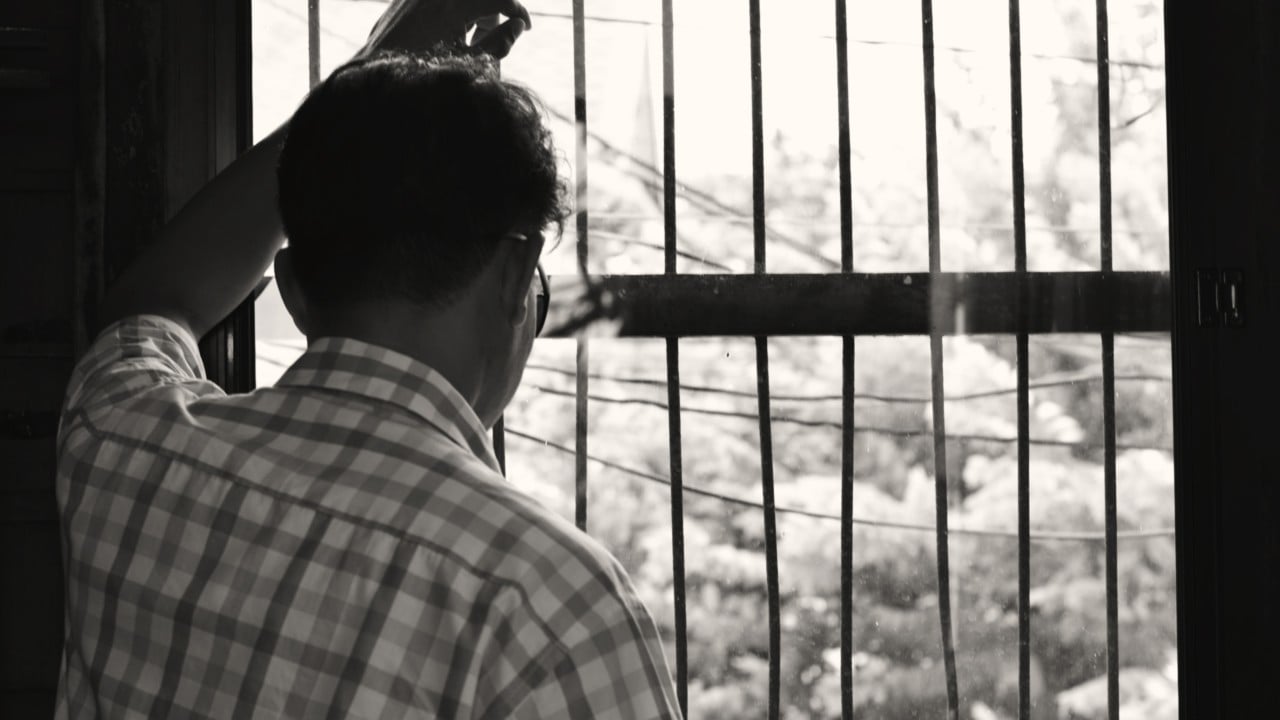
Japan has long grappled with what to do about hikikomori – the social hermits who seal themselves off from the world, sometimes for years, retreating from all human contact.
In the past, these recluses were thought of as a youth problem: troubled teenagers, rudderless young men. But that framing no longer holds.
Japan’s shut-ins are growing old, and the parents keeping them alive are growing older still.
The average hikikomori is now 36.9 years old, according to the Asahi newspaper, citing a recent survey of 280 families conducted by Kazoku Hikikomori Japan (KHJ), an NGO providing support, guidance and community.
More striking still, the survey suggests more than 43 per cent of hikikomori are now over 40 and nearly 13 per cent are past 50. Their carers – overwhelmingly ageing parents – averaged 66.3 years old.
This has been called the “80-50 problem”, describing parents in their eighties shouldering the care of hikikomori children in their fifties.
As demographics worsen, it has acquired a grimmer sequel: the “90-60 problem”.
There are documented cases of hikikomori in their sixties being supported entirely by parents in their nineties, sustained on pension income, with no plan and no safety net for when those parents are gone.
In reality this is not a challenge limited to the younger generation
Chikako Hibana, KHJ director
In 2024, the Mainichi newspaper reported on a disturbing pattern emerging from police data: a rising number of middle-aged people arrested for abandoning the bodies of elderly parents who had died in the family home.
Cases involving suspects aged between 50 and 60 were the highest recorded since 2014, when the average age of hikikomori was 33.1 years.
Many told investigators they “didn’t know what to do with the body” or “didn’t want to talk to other people”.
One man left his 95-year-old father’s body undiscovered for six months, claiming he could not afford funeral expenses. Another was convicted of fraud after continuing to collect his dead father’s pension.
These are not aberrations. They are the logical endpoint of a life lived entirely outside society, where the death of a carer, instead of triggering a call for help, leads to paralysis.
“There is a strong perception that hikikomori measures are about supporting young people,” KHJ director Chikako Hibana told the Asahi newspaper. “But in reality this is not a challenge limited to the younger generation.”
The Covid-19 pandemic accelerated the trend, normalising isolation for a cohort that had been teetering on the edge of it for years.
By 2023, a Japanese Cabinet Office survey estimated that 1.46 million people – roughly 2 per cent of the working-age population – were living as shut-ins.
Four years earlier in 2019, the government estimated there were roughly 613,000 hikikomori in the 40-to-64 age bracket alone, according to the Asia-Pacific Foundation of Canada.