
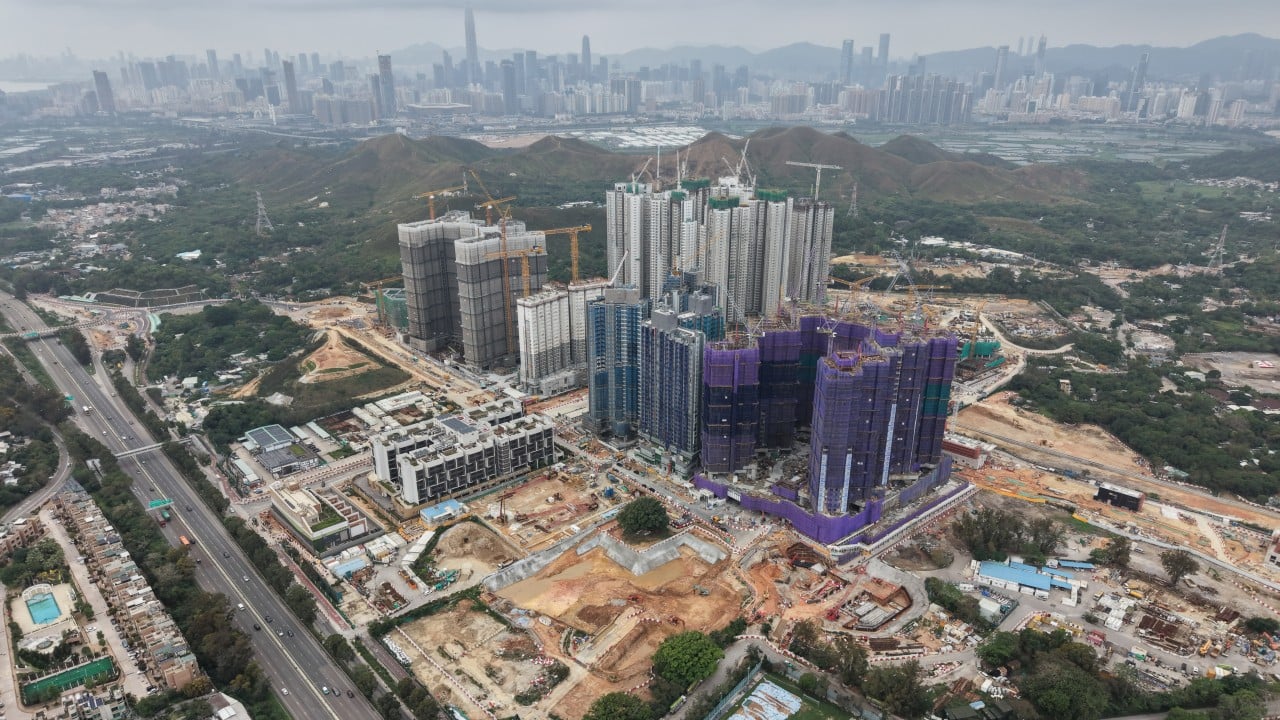
Hong Kong’s government is under mounting pressure to deliver the Northern Metropolis, announced in 2021, as it approaches the end of its term – less than 15 months and counting. The megaproject, to turn 30,000 hectares (74,132 acres) near the border with mainland China into a centre of international innovation and technology, is to be an engine to drive the city’s economic growth and housing – and the gem of its economic integration with the mainland.
We are pressed for time. Beijing has long urged the city to get on with national plans but leaders have upped the ante significantly in recent years. Xia Baolong, Beijing’s official overseeing Hong Kong affairs, has been relentless in pushing the message. The stars are aligned for Hong Kong in China’s 15th five-year plan, Xia said, emphasising the need for Hong Kong – and Macau – to comprehend the plan’s “extraordinary significance” for them.
Xia has kept at it with fact-finding trips to the Greater Bay Area, meeting Hong Kong officials over the university town proposed under the Northern Metropolis and urging the business community to show their patriotism through “concrete actions” – investing in innovation and the Northern Metropolis are how this city’s business leaders are to show their love for their country.
The message is not lost on the city’s authorities and business leaders. But many, it seems, remain at a loss as to how they can act on that love.
The government is working hard to get the Northern Metropolis off the ground, going to creative lengths like proposing special laws, currently undergoing a public consultation before they can be passed in Legislative Council. These are laws applicable only to the Northern Metropolis to allow for fast-tracked statutory approval procedures. The Development Bureau said one of its legislative proposals would remove a procedure for changing land use, drastically reducing what usually takes nine months to just two.
Lawmaker and tech entrepreneur Johnny Ng Kit-chong said there were enterprises interested, even eager to acquire land in the area, but they remained stuck – still looking for guidance on the application process. Streamlining the process may be a good start but it is equally important the government spells out and shows targeted industries and companies how things need to be done. A labyrinth simplified remains a complex puzzle to solve.
The government should be commended for finally showing how it is addressing one big hurdle, but we need more than that – more stars need to be aligned, to borrow from Xia’s analogy. Town planning experts have pointed to the need for more infrastructure, with one calling these plots of land “the middle of nowhere”. With no rail link (for at least another eight years), there is clearly a transport gap.
Veteran town planner Thomas Lee Kin-wah also cited inadequate dining and lifestyle amenities – elements essential to any community, let alone a booming town. It may be a chicken-and-egg issue, but it is the government’s job to lay out these plans and timelines more clearly and comprehensively to ensure love’s labour is not lost.
There are anxieties, perhaps not openly discussed. In assessing the Northern Metropolis, local think tank Liber Research Community researcher Brian Wong said the sheer scale of megaprojects came with risks such as delays, unexpected issues and running into debt. A Singapore Business Times report said developers had privately shared anxieties about “the lack of details, the potential risk of oversupply and the sense that the government is developing too many zones at once”.
For an innovation and technology hub, it’s not just buildings, roads, homes, recreation facilities and eateries that are needed. The Northern Metropolis must provide the environment and ecosystem for innovation, creativity and technology to flourish. The government needs more than blueprints and models to illustrate how it plans to set up that ecosystem. When that can be articulated, it would drum up more of the excitement it needs. It is the government’s job to sell this game changer to Hongkongers and the world.
I urge the government to put more of its creative problem-solving skills into practice, especially for a megaproject too big to fail and maybe too big to easily get off the ground. The clock is ticking. The country’s leaders are pulling at the heartstrings but it is this administration that must ultimately lead and show the way forward in making it happen.