
Hikers should not underestimate the risks of climbing in Japan during the volatile spring transition in May, a mountaineering expert has warned after two Hong Kong men became stranded in the Northern Alps, one of whom later died.
Veteran mountaineer Chung Kin-man said on Wednesday that climbers might develop a false sense of safety due to warmer weather in lowland areas in May, even as conditions in the mountains remained unstable, with risks of snowstorms, strong winds and freezing temperatures.
He said May falls between the traditional winter and summer climbing seasons, creating highly unstable conditions that required mountaineers to prepare for both cold and wet environments.
“May is not a stable period for climbing; it’s not completely warm and there may still be cold spells,” Chung said.
“In hotter conditions, you would normally bring much less gear, wear fewer clothes and use different equipment, and even your climbing schedule would be different.
“But if you use warm-weather gear in May, it may not be enough. Strong winds or snowstorms can sometimes arrive suddenly, and you may not have sufficient protection to keep your body warm enough to withstand the conditions.”
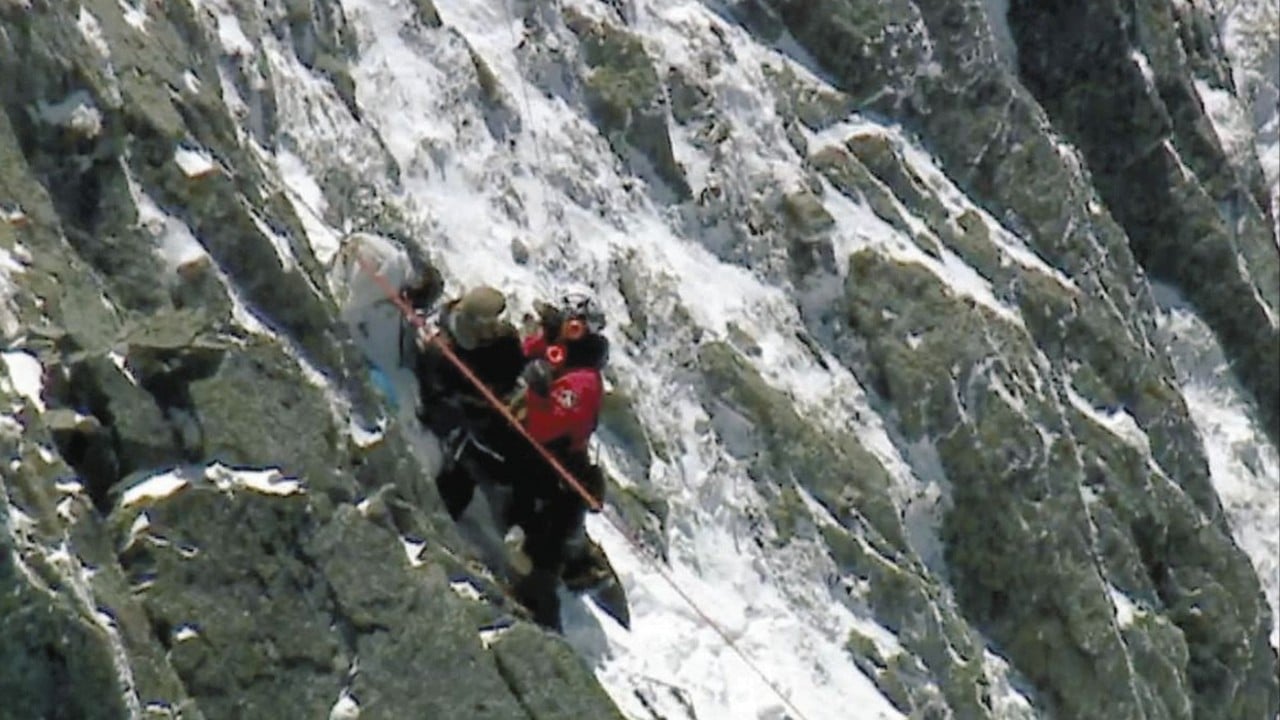
The warning came after Japanese authorities recovered the body of a 22-year-old Hong Kong man from the Gendarme ridge in the Hida mountain range, also known as the Northern Alps. His 30-year-old hiking partner was rescued earlier on Tuesday and taken to hospital for treatment.
The pair became stranded on the 3,163-metre (10,377-foot) rocky ridge after encountering worsening weather during their climb.
Rescue operations launched on Monday were hampered by gale-force winds, heavy rain and poor visibility, grounding helicopters and delaying access to the site.
According to Japanese media, the 22-year-old contacted a nearby mountain hut on Sunday afternoon to report that they were stranded.
A social media appeal posted on Monday said they had exhausted their food supplies amid extremely cold temperatures, and that one of them had lost consciousness.
Chung described the route as roughly “intermediate” in difficulty, but said the key risk lay not in the mountain itself but in the environmental conditions at the time.
Some reports also suggested the climbers might have run into trouble after their ropes froze during the descent.
Chung said frozen ropes could become stiff and difficult to handle, potentially interfering with climbing and safety devices.
He added that mountaineers tackling snowy or wet alpine conditions generally use waterproof ropes specially designed for such environments.
“There is no way to make mountaineering 100 per cent safe,” Chung said.
“The only thing climbers can do is make thorough preparations and reduce the risks as much as possible.”
He urged climbers to carry sufficient backup supplies and appropriate cold-weather gear, while closely monitoring mountain forecasts before attempting climbs in transitional seasons.