
Hong Kong authorities have arrested five men at registered pharmacies and seized thousands of unregistered anti-obesity medicines and dangerous drugs, vowing to launch more joint operations to clamp down on illegal sales across the city.
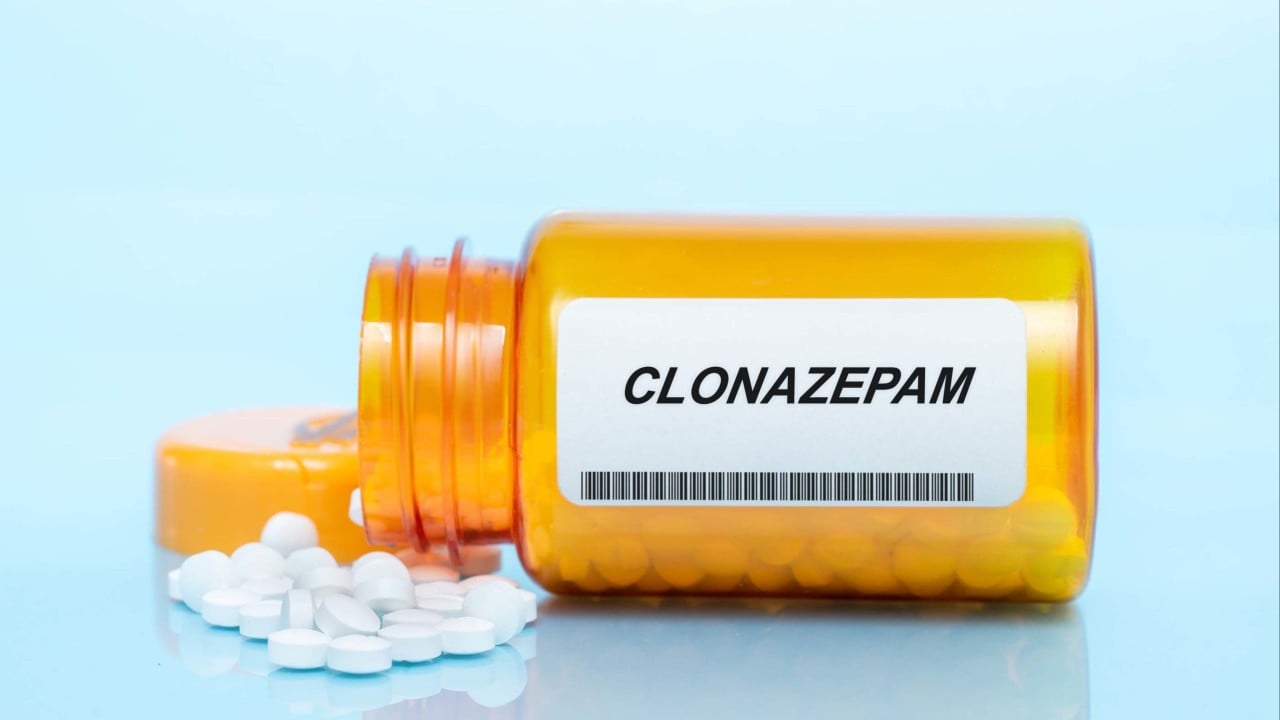
The Department of Health said on Monday evening that an enforcement operation with the police last Friday at a registered pharmacy in Sha Tin district led to four arrests and the seizure of over 400 tablets of clonazepam, more than 2,700 tablets of zolpidem and six boxes of unregistered slimming injections.
The department added that a separate raid on Monday in Jordan resulted in the arrest of a 36-year-old man who was also suspected of illegally selling an anti-obesity medicine and failing to store Part 1 poisons in a locked receptacle.
“In light of the fact that there are people illegally selling or possessing unregistered anti-obesity medicine classified as a Part 1 poison and prescription drug under the Pharmacy and Poisons Ordinance, the Department of Health announced [on Monday] that it has stepped up inspection and enforcement efforts across Hong Kong in recent days,” the department said in the statement.
“The department reminds the public that weight control should be achieved through a balanced diet and appropriate exercise. The public should consult healthcare professionals before consuming any medication for weight control.”
The department stressed that it had an established mechanism to monitor the sale of pharmaceutical products in the market, including the internet.
The recent operations reflected the growing popularity of weight-loss injections locally and worldwide, leading to a surge in residents seeking such treatments. A recent study found that nearly one in two residents was overweight or obese, fuelling demand and creating a lucrative market for unregistered products.
The seized anti-obesity drugs contained tirzepatide are classified as a Part 1 poison, alongside zolpidem and clonazepam, under the Pharmacy and Poisons Ordinance. The Department of Health pointed out that clonazepam was also regulated as a dangerous drug under the Dangerous Drugs Ordinance.
The illegal sale or possession of Part 1 poisons and unregistered pharmaceutical products is a criminal offence punishable by a maximum fine of HK$100,000 (US$12,800) and two years’ imprisonment.
Trafficking in a dangerous drug carries a maximum penalty of life imprisonment and a HK$5 million fine.
The department said the four men arrested in Sha Tin, aged between 25 and 55, were suspected of offences including trafficking in a dangerous drug and illegal possession of unregistered pharmaceutical products. The Jordan operation yielded an additional 13 boxes of unregistered anti-obesity medicine.
All legally sold pharmaceutical products must be registered and display a specific city registration number on their packaging, the department added.
Authorities in early March arrested a 30-year-old woman in Mong Kok for illegally selling a Mounjaro injection pen labelled in Japanese. The Customs and Excise Department also seized 14,080 smuggled slimming injections bound for Macau from a river trade vessel in January.
The South China Morning Post previously found that prescription-only slimming injections were available for purchase on some online platforms and at a local pharmacy without a doctor’s approval.
The SCMP’s investigation found sellers offering the injections at lower prices than at medical centres, prompting concerns over potential health risks and improper handling.